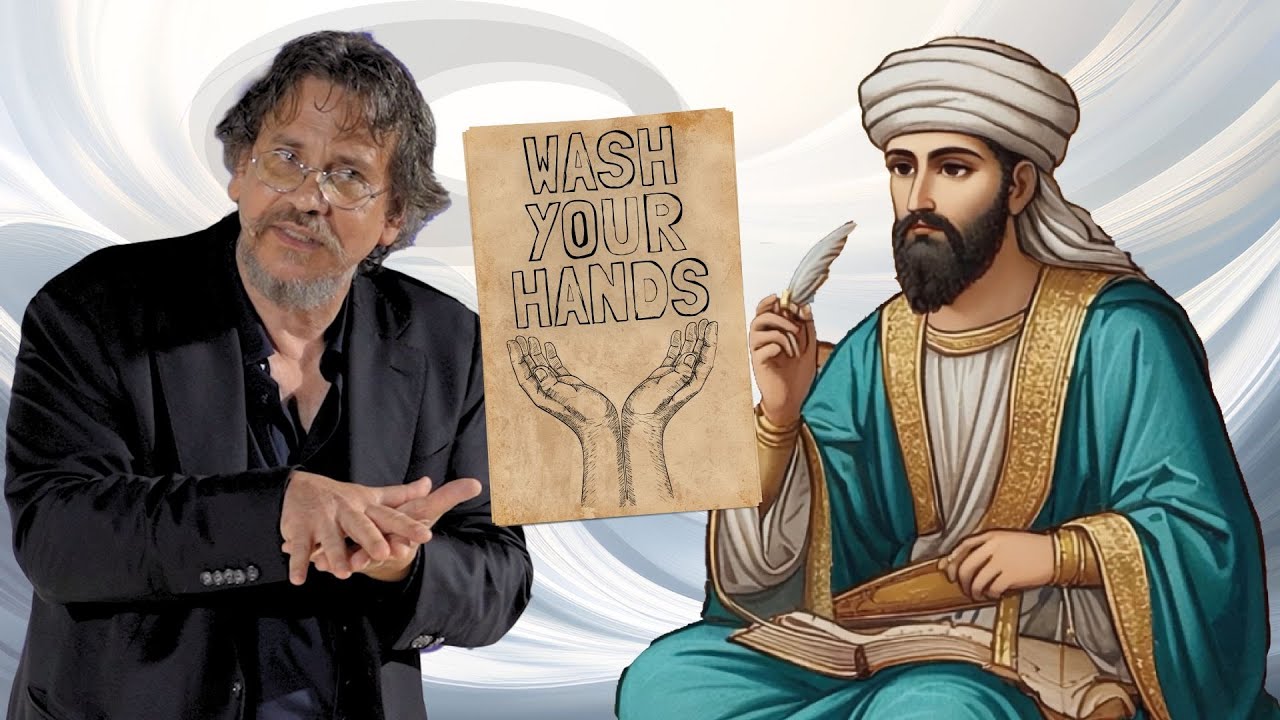
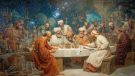
The 1,000-year Legacy of Ibn Sina is Dr. Roy's first lecture for the Museum of the Future's Lessons from the Past (2025). This collaboration between the Museum of the Future and Dr. Roy aims to explore 10 topics ranging from the life of the father of modern medicine to examples of great leadership to the birth of the Most Serene Republic of Venice.
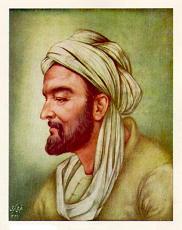
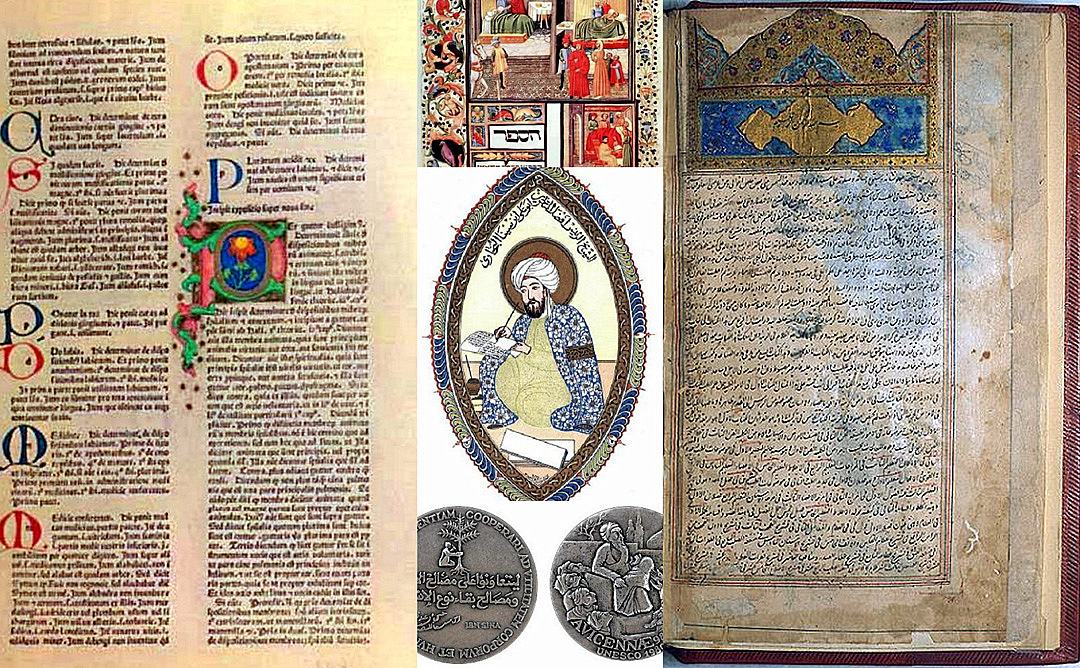
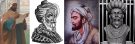
The Sheikh al-Ra’is Sharaf al-Mulk Abu ‘Ali al-Husayn b. ‘Abd Allah b. al-Hasan b. ‘Ali Ibn Sina, in Latin, is known as Avicenna, and his most famous works are those on philosophy and medicine. His philosophical views have engaged the attention of Western thinkers over several centuries, and his books have been among the most important sources in philosophy. In medicine, his encyclopedic book, al-Qanun (The Canon) – Al Qanun Fi Al-Tibb (The Canon of Medicine)- was translated into Latin towards the end of the twelfth century CE, and became a reference source for medical studies in the universities of Europe until the end of the seventeenth century.
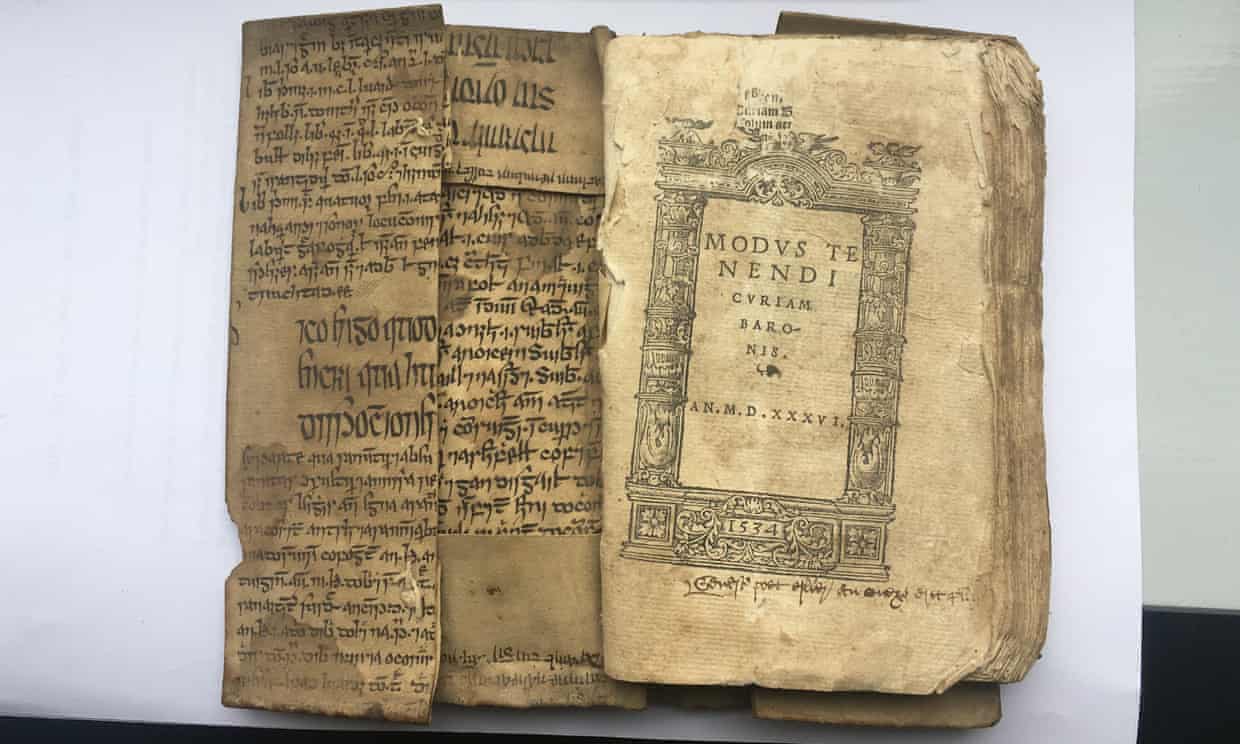
A 15th-century vellum manuscript of the writing of the revered Persian physician Ibn Sīna, or Avicenna, has been found being used to bind a later book, revealing for the first time that his seminal Canon…
by Abd Al-Rahman Al Naqib Published on: 17th January 2009
This study presents the theory of education in the philosophy of Ibn Sina, considered by ancient and modern scholars alike as the most famous of the Muslim philosophers. In his philosophical system, Ibn Sina outlined…
The Sheikh al-Ra'is Sharaf al-Mulk Abu ‘Ali al-Husayn b. ‘Abd Allah b. al-Hasan b. ‘Ali Ibn Sina, in Latin he is know as Avicenna and his most famous works are those on philosophy and medicine.…
The Persian polymath Abū ‘Alī Ibn Sīnā (980-1037 AD), known to early Western sources as Avicenna, records in one of his works, Compendium of the Almagest that ‘I say that I saw Venus as a…
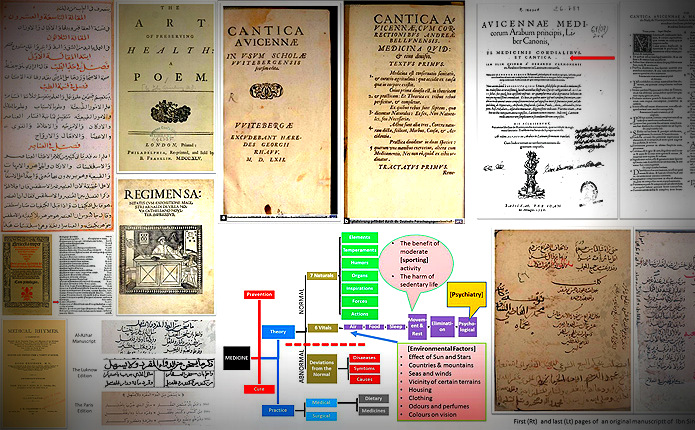
Were you aware that in the Medieval Islamic world, celebrated scientists such as Ibn Sina used to relay their teachings through poetry? Poems structure and rhythm aided the process of transmitting and memorising scientific and…
by Munim Al-Rawi Published on: 12th September 2002
The Muslim Civilisation was outstanding in its outlook on the universe, humanity and life. Muslim scientists thought about the origin of minerals, rocks, mountains, earthquakes and water, etc. Ibn Sina (981 - 1037 C.E.), better…
by Abdul Nasser Kaadan Published on: 29th September 2005
Ibn Sina, or Avicenna as he referred to in the West, was a well-known philosopher and physician from Islamic civilisation. Here we look at his accomplishments and contributions towards knowledge of bone fractures.
The 1,000-year Legacy of Ibn Sina is Dr. Roy's first lecture for the Museum of the Future's Lessons from the Past (2025). This collaboration between the Museum of the Future and Dr. Roy aims to…
Muslim philosophers were men of science who explored and set the very foundations of knowledge. They had great influence and importance in the history of fundamental ideas.
The seventh and last art mentioned in the fourth book of the Canon of Medicine by Ibn Sina is assigned to the theme of "zina", that is beauty and physical appearance. It consists of four…
[Ibn Sina] flourished as a great physician and philosopher, but was also a distinguished scientist, mathematician, logician, and poet at the same time...
by Paul S. Braterman Published on: 21st March 2017
...in this article, I will summarise the key elements of the modern science of evolution, and the reasons why the evidence in its favour is generally regarded among scientists as conclusive, before turning to my…
Most Muslim physicians have heard (or should have heard) about famous Muslim physicians such as al-Razi, al-Majusi, Ibn Sina, Ibn al-Nafis, but few physicians have heard about Ibn Abi Usaybi’aa. Although not as famous as…
The rise of Islamic Civilization was one of the major events in world history. An important aspect of the medieval Islamic Civilization was the development of a remarkable scientific tradition in a relatively short period…
by Bashar Saad, Omar Said Published on: 15th November 2020
This article has been produced from Chapter 6 "Contributions of Arab and Islamic Scholars to Modern Pharmacology" of the Book “Greco-Arab and Islamic Herbal Medicine: Traditional System, Ethics, Safety, Efficacy, and Regulatory Issues” by Bashar…
by Salim Al-Hassani - 1001 Book Chief Editor Published on: 19th August 2020
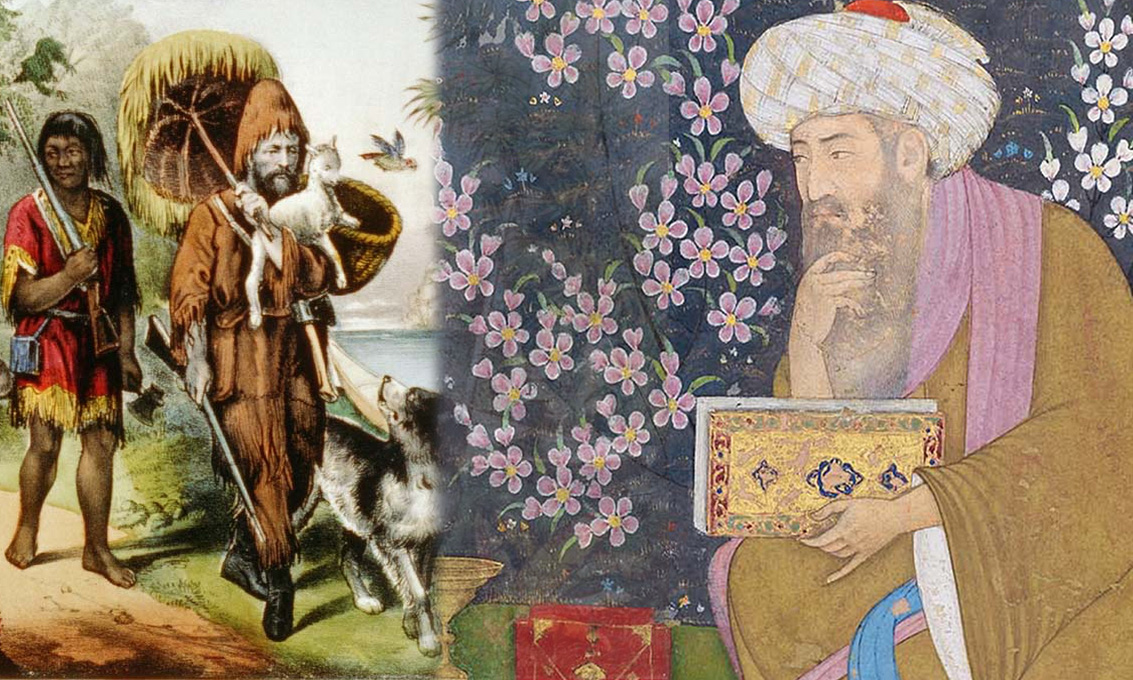
In early 12th-century Muslim Spain, a gifted philosopher, mathematician, poet, and medical doctor was born. Ibn Tufayl, or Abu Bakr ibn Abd al-Malik ibn Muhammad ibn Muhammad ibn Tufayl al-Qaysi, to give his full name,…
Wel knew he the olde Esculapius And Deyscorides and eek Rufus, Olde Ypocras, Haly and Galeyn, Serapion, Razi and Avycen, Averrois, Damascien and Constantyn, Bernard and Gatesden and Gilbertyn.
by Rolando Neri-Vela Published on: 27th September 2017
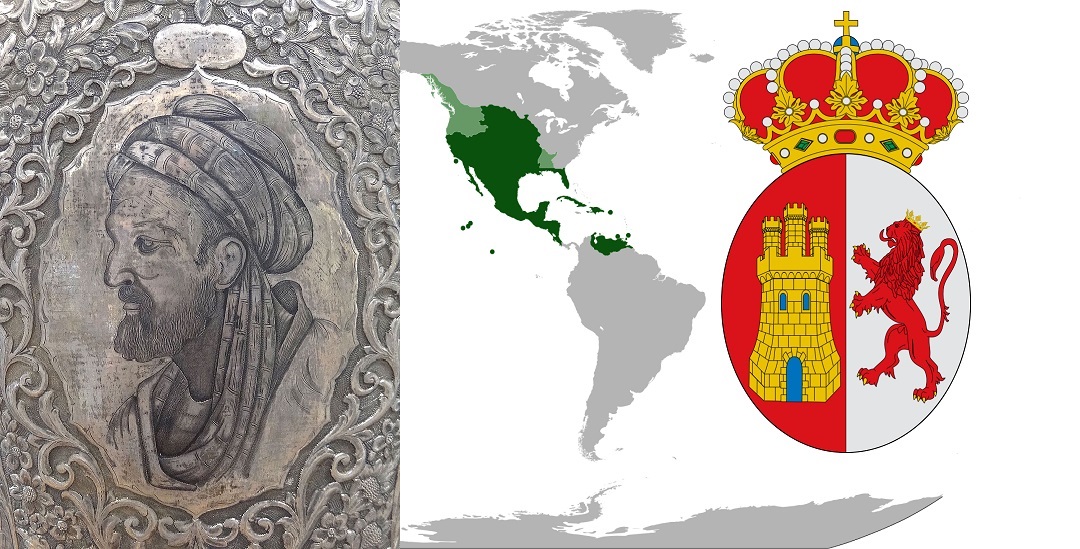
New Spain was a viceroyalty of Spain between 1521 and 1821. In these three centuries, the practice and the teaching of medicine had a great influence from Arabian medicine, and in this way, the thinking…
This website uses cookies to improve your experience. We'll assume you're ok with this, but you can opt-out if you wish. Cookie settingsACCEPT
Privacy & Cookies Policy
Privacy Overview
This website uses cookies to improve your experience while you navigate through the website. Out of these cookies, the cookies that are categorized as necessary are stored on your browser as they are as essential for the working of basic functionalities of the website. We also use third-party cookies that help us analyze and understand how you use this website. These cookies will be stored in your browser only with your consent. You also have the option to opt-out of these cookies. But opting out of some of these cookies may have an effect on your browsing experience.
Necessary cookies are absolutely essential for the website to function properly. This category only includes cookies that ensures basic functionalities and security features of the website. These cookies do not store any personal information.