Long before the telescope, scholars from Muslim Civilisation were mapping the skies with incredible precision. Building on ancient works like Ptolemy’s Almagest, they translated, tested, and corrected ancient theories through their own detailed observations. Al-Khwarizmi…
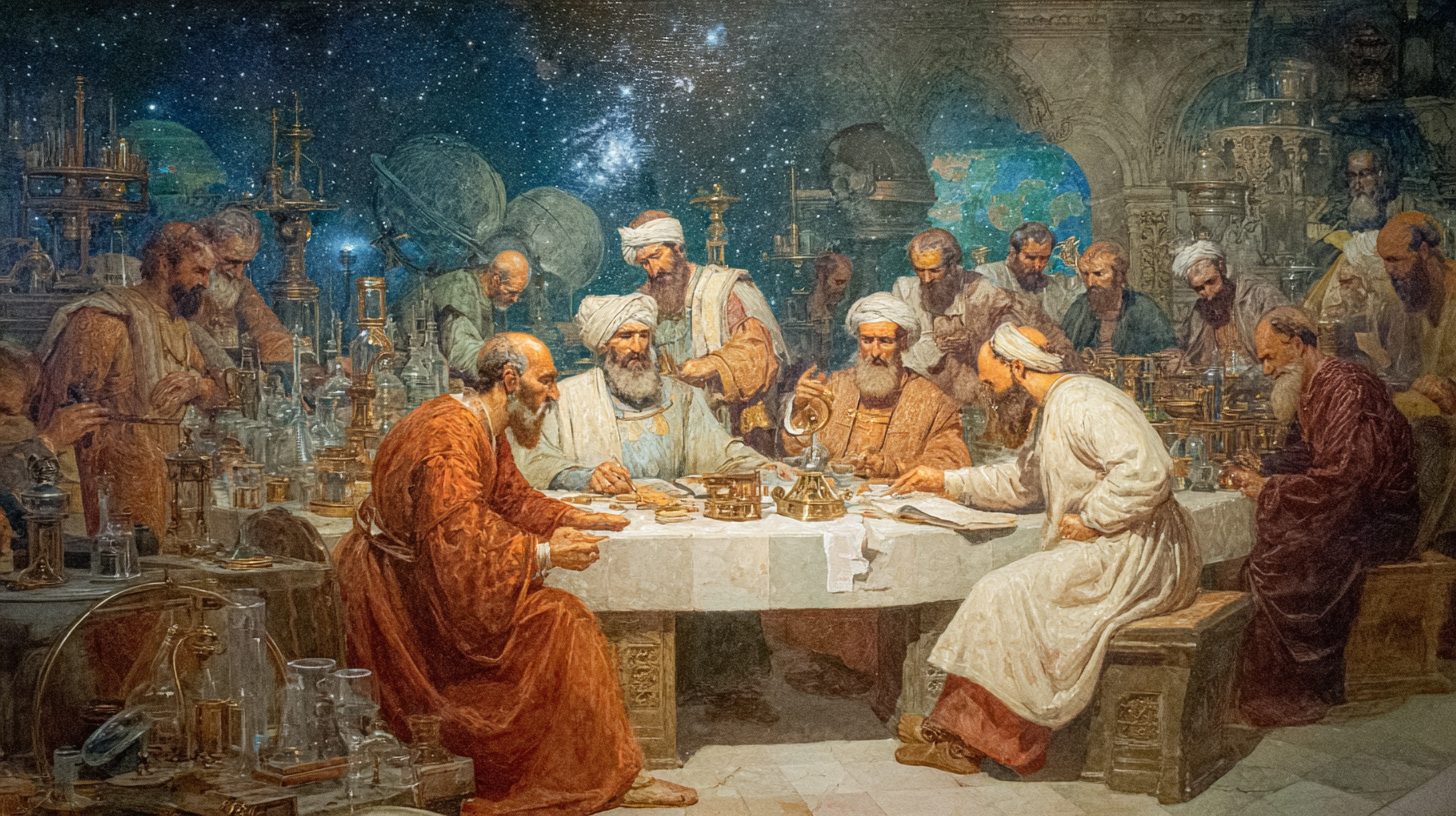
This article provides a comprehensive overview of the history of Islamic science as well as current issues and future trends in the discipline. Significant references to modern scholarship on Islamic science and medicine, including the…
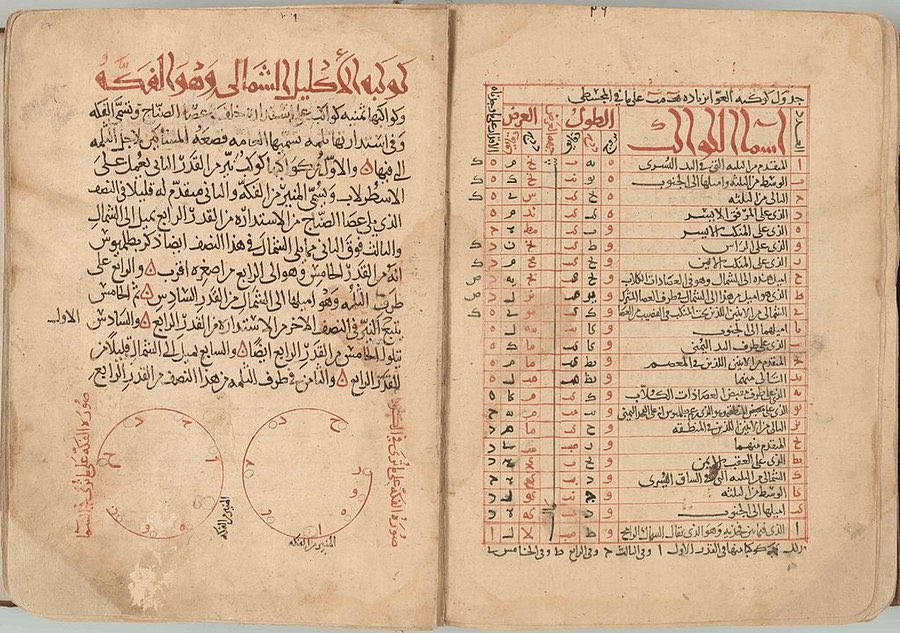
Did Copernicus borrow his cosmological theory from an earlier Muslim scientist? New research reveals that the cosmological model developed by Nicolaus Copernicus, the renowned European Renaissance polymath, closely resembles one designed by an Arab astronomer…
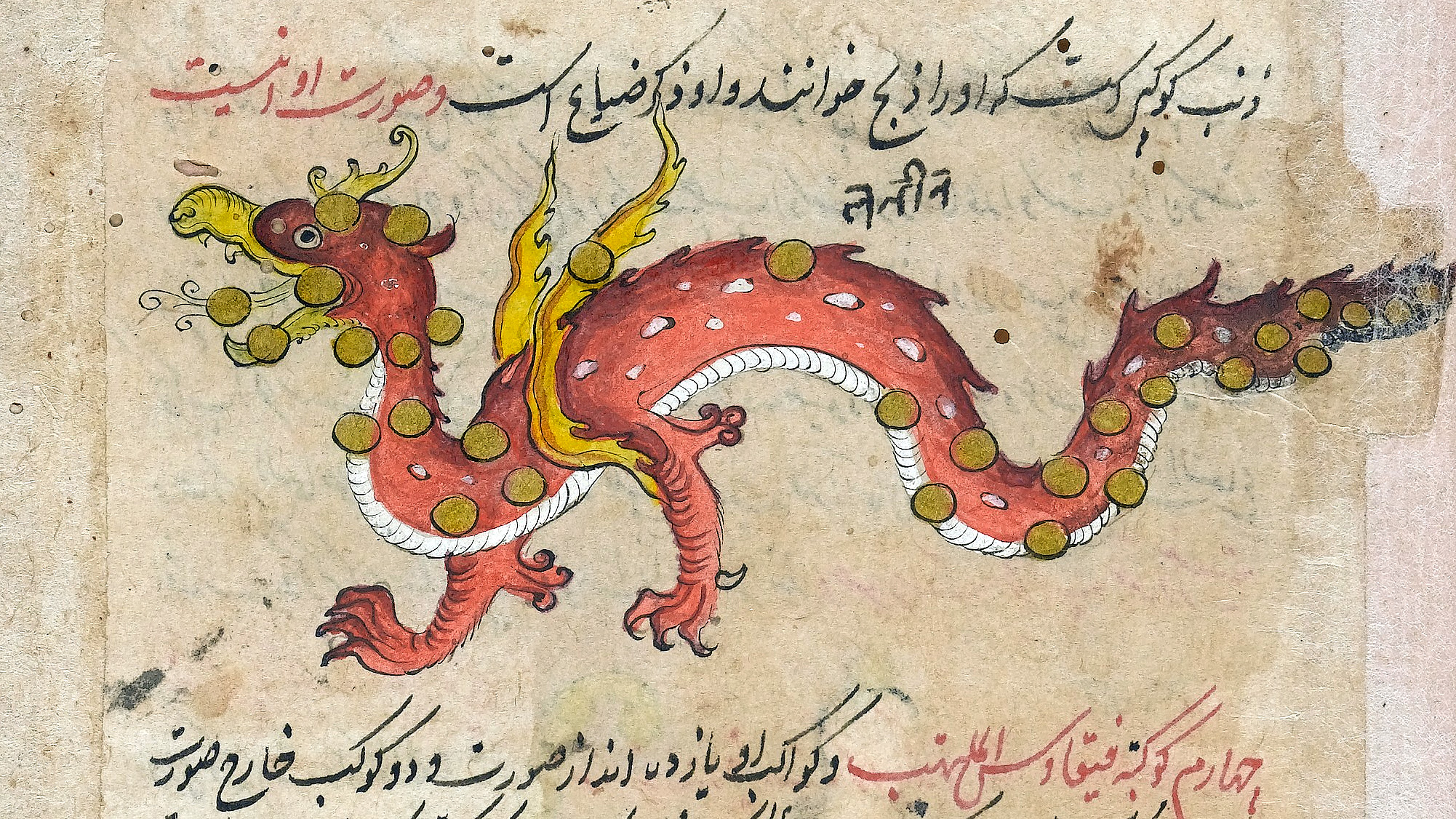
This chapter is organised in the following manner. Section one gives a brief overview about important periods in the history of Islamic Astronomy. This is done in order to highlight the significance of choosing to…

The article analyses the mathematical contents of four texts by Nasir al-Din al-Tusi (1201-1274), one of the most original and prolific scientists of the classical Islamic tradition. These four texts on mathematics are: Al-Tusi's Tahrir…

Muhammad ibn Muhammad ibn Hasan al-Tusi (born in 18 February 1201 in Tus, Khorasan – died on 26 June 1274 in Baghdad), better known as Nasir al-Din al-Tusi, was a Muslim Persian scholar and prolific…

The works of Nasir al-Din al-Tusi have always attracted the interest of Ottoman scholars as early as the 14th century. Some of his works were translated into Turkish and various annotations or commentaries were written…

Mathematics has long been an area of expertise amongst Muslim mathematicians. This article considers the contributions of Al-Tusi and Al-Battani and others in trigonometry, focusing upon the progress their discoveries represented in comparison with the…

Al-Battani discovered the notions of trigonometrical ratios used today. Al-Biruni claimed the earth rotated around its own axis. Jabir Ibn Aflah made the first portable celestial sphere to measure and explain the movements of celestial…

Discover the golden
age of Muslim civilisation.

© Copyright FSTC Ltd 2002-2020. All Rights Reserved.