Women and learning in Islam
by S. P. Scott Published on: 21st July 2002
The female relatives of the khalifs and courtiers vied with each other in the patronage and cultivation of letters.
The female relatives of the khalifs and courtiers vied with each other in the patronage and cultivation of letters.

In the history of Islamic civilization, many hospitals were founded by women, either as wives, daughters or mothers of sultans. All health personnel were male at these hospitals. In the Ottoman period, the female patients…

by Ayshah Ismail The Foundation for Science Technology and Civilisation (FSTC), launched a new course in Istanbul, Turkey. Entitled "Women of Science Medicine and Management in Muslim Heritage", the course was in collaboration with Insan…

The two day workshop, which took place on the 24th and 25th June 2014, followed on from sessions held in Istanbul in October 2013, and is part of a collaborative project between FSTC and iGETEV.
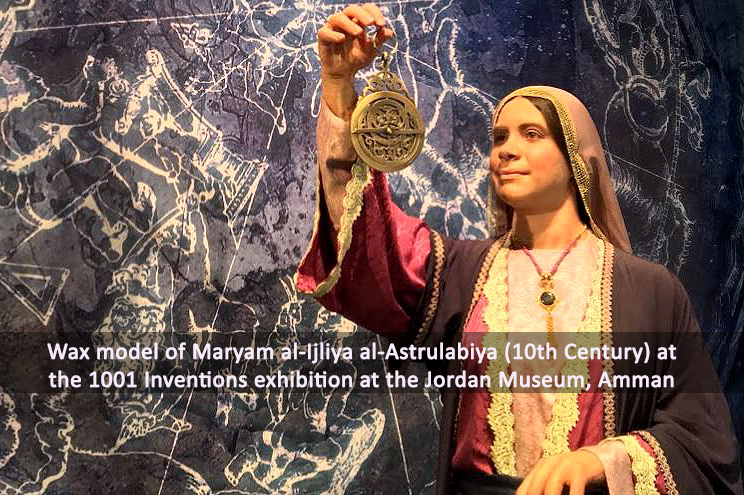
A summarised transcript* of the lecture given for the Ijtimak Ilmuwan Islam Antarabangsa (International Conference of Muslim Scholars). Organised by the Institute of Islamic Understanding Malaysia (IKIM) and Sarawak Islamic Council – MIS on 25-26…
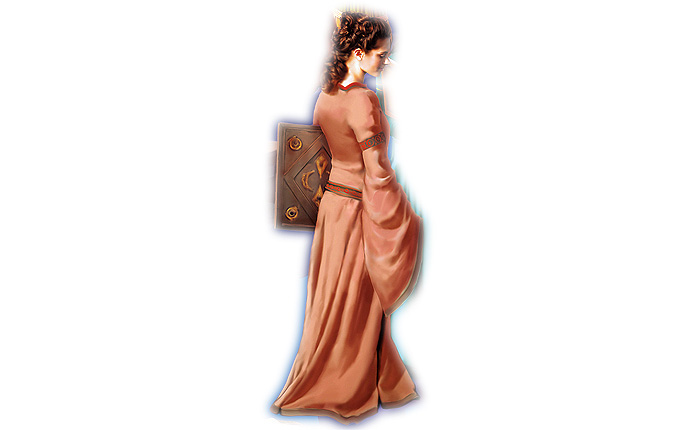
While there are numerous works on the role of Muslim women in jurisprudence (fiqh) and literature, there are also studies on Muslim women in education and in medicine - although on a much smaller scale…

One thousand and one extraordinary women. One unmissable evening. Join us online for the launch of 1001 Women: Early Muslim Women of Science, Medicine, Arts and Management by Prof Salim T.S. Al-Hassani, featuring insightful discussions…

This article is a paper submitted to and presented at WISE 2018: World Muslim Women's Summit & Exhibition, organised by TASAM, Istanbul, Turkey, from 28th Feb - 4th March 2018.

As part of Al-Furqān’s Lectures on Islamic Heritage, the Foundation organised a public lecture entitled "Women of Science, Medicine and Management in Muslim Civilisation", delivered by Prof Salim Al-Hassani. The lecture coincides with Women’s International…

Under the patronage of Dr Naushaba Hasan Murad Founding Chairperson Women Institute of Learning and Leadership #willpakistan Guest Speaker Professor Salim Al-Hassani, Thursday, February 25, 2021 Prof Salim TS Al-Hassani is President of the…

The World Muslim Women's Summit & Exhibition WISE 2018 was held as a part of the 8th World Islamic Forum on the 1st -2nd of March 2018...

To celebrate International Women’s Day on the 8th March, there is no better way than to reproduce a collection of articles written by FSTC scholars and associates on the achievements of women in Muslim Heritage…

On 15 July 2026, the global launch of 1001 Women: Early Muslim Women of Science, Medicine, Art, and Management by Professor Salim Al-Hassani, President of FSTC, took place as a Zoom webinar between 6:00–8:00 pm…

5 Extraordinary Muslim Women from the Golden Age...

Evening lecture with Professor Salim Al-Hassani. Tuesday 21 November 2006, 6pm-8pm

Aise Asli Sancar, a renowned writer and lecturer on women's issues has said when she began investigating the subject of Ottoman women, she realized that they were much more complex and multifaceted than they are…

The two day workshop, 24th and 25th June 2014

This paper examines two eighteenth-century letters penned by English travellers to the provinces of the Ottoman sultanate who recorded the procedure of inoculation practiced widely by old women in response to the smallpox epidemic. Inoculation…

Khadija's early life and social position are outlined. Bettany discusses the depth of the relationship of Muhammad and Khadija with Professor Leila Ahmed of Harvard University...
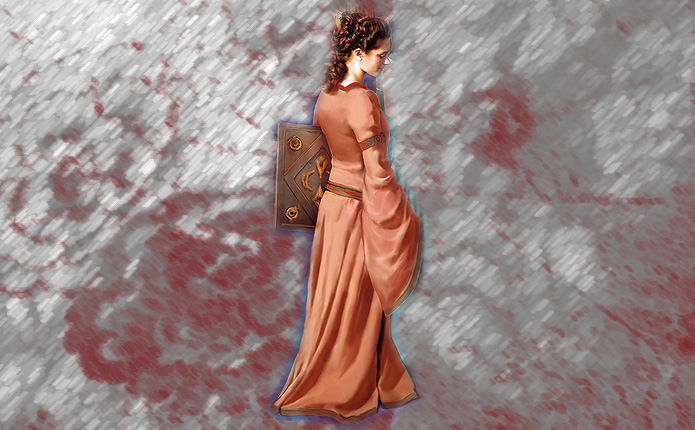
From Indonesia to Pakistan, Kyrgyzstan to Nigeria, Senegal to Turkey, it is not particularly rare in our own times for women in Muslim-majority countries to be appointed and elected to high offices—including heads of state.…

Discover the golden
age of Muslim civilisation.

© Copyright FSTC Ltd 2002-2020. All Rights Reserved.