Nasir al-Din al-Tusi
by The Editorial Team Published on: 26th February 2013
Muhammad ibn Muhammad ibn Hasan al-Tusi (born in 18 February 1201 in Tus, Khorasan – died on 26 June 1274 in Baghdad), better known as Nasir al-Din al-Tusi, was a Muslim Persian scholar and prolific…

The Influence of Nasir al-Din al-Tusi on Ottoman Scientific Literature
by Salim Ayduz Published on: 29th June 2011
The works of Nasir al-Din al-Tusi have always attracted the interest of Ottoman scholars as early as the 14th century. Some of his works were translated into Turkish and various annotations or commentaries were written…

New Results In The Research On Some Mathematical Works Of Nasir Al-Din Al-Tusi
by V. F. Medzlumbeyova, A. Babayev Published on: 6th July 2020
The article analyses the mathematical contents of four texts by Nasir al-Din al-Tusi (1201-1274), one of the most original and prolific scientists of the classical Islamic tradition. These four texts on mathematics are: Al-Tusi's Tahrir…

Astronomy – Contributions of Islamic Scholars to the Scientific Enterprise
by Yasmeen Mahnaz Faruqi Published on: 24th September 2025
Long before the telescope, scholars from Muslim Civilisation were mapping the skies with incredible precision. Building on ancient works like Ptolemy’s Almagest, they translated, tested, and corrected ancient theories through their own detailed observations. Al-Khwarizmi…
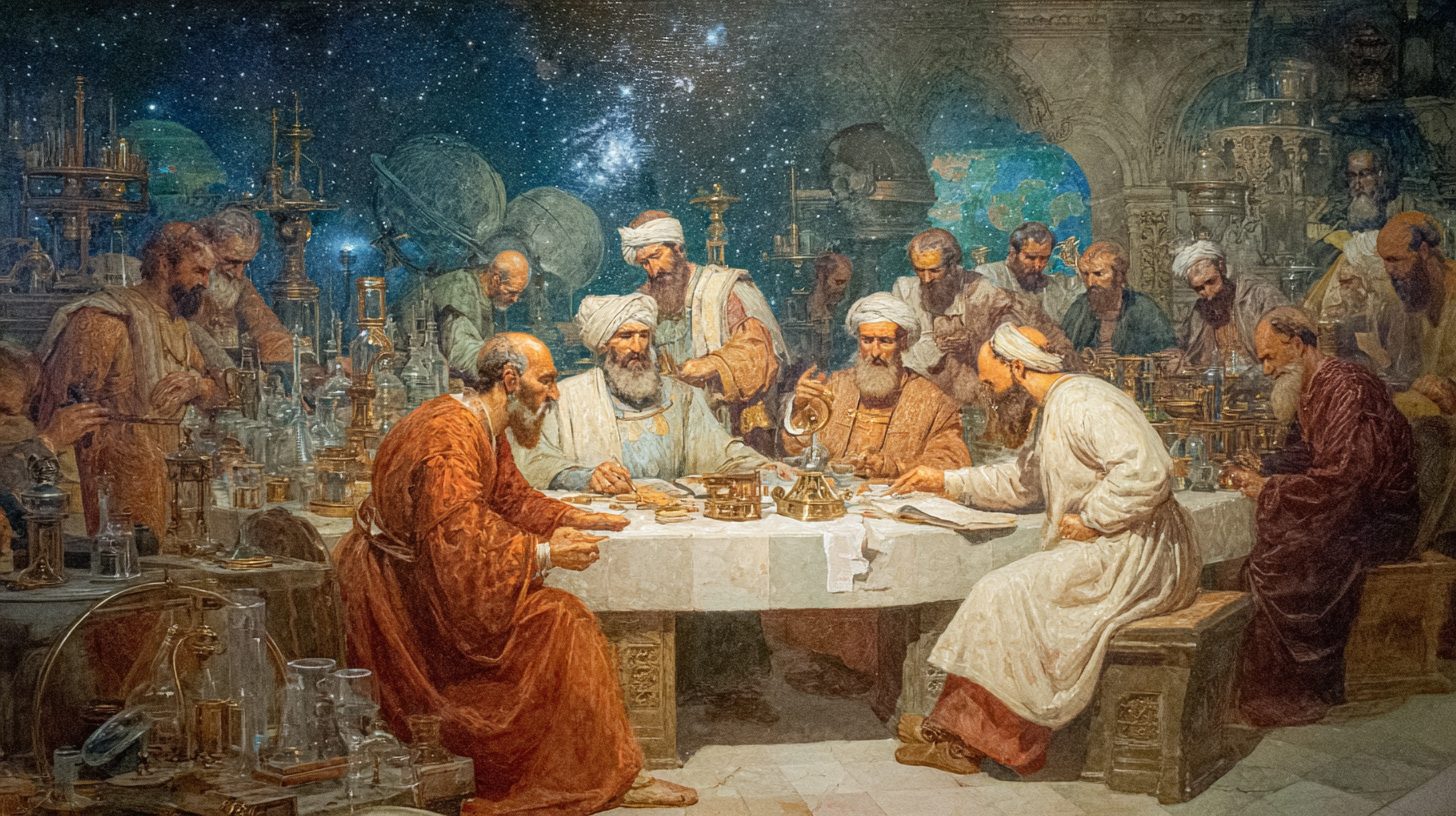
Natural Sciences in the Islamic Context
by Glen M. Cooper Published on: 11th August 2025
This article provides a comprehensive overview of the history of Islamic science as well as current issues and future trends in the discipline. Significant references to modern scholarship on Islamic science and medicine, including the…
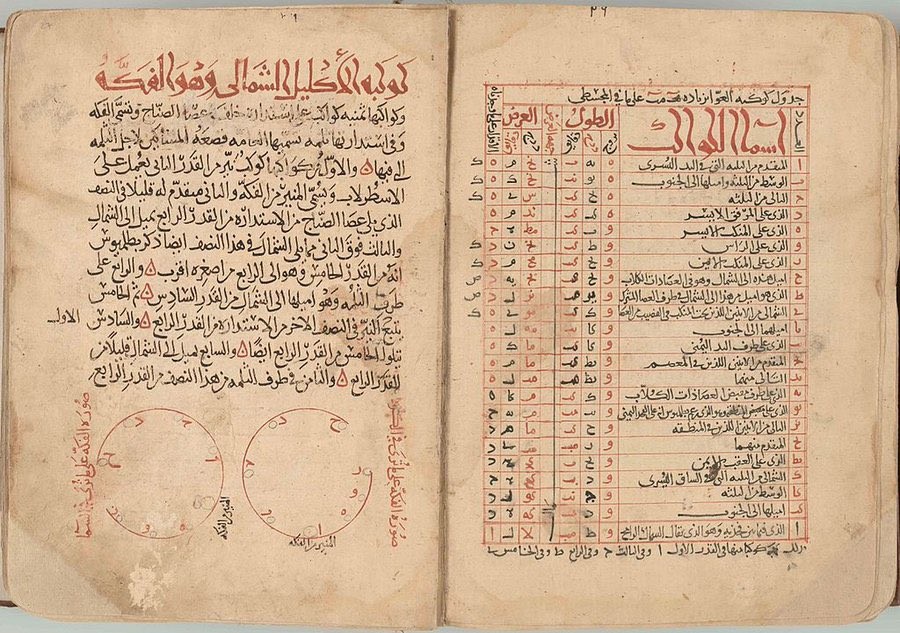
Study suggests Copernicus was influenced by an ancient Muslim astronomer in developing his cosmological system
by Leon Barkho Published on: 1st May 2025
Did Copernicus borrow his cosmological theory from an earlier Muslim scientist? New research reveals that the cosmological model developed by Nicolaus Copernicus, the renowned European Renaissance polymath, closely resembles one designed by an Arab astronomer…
The Fate of Islamic Astronomy in Persia between the Eleventh and Sixteenth Centuries
by Mohamad Abdalla AM Published on: 6th April 2025
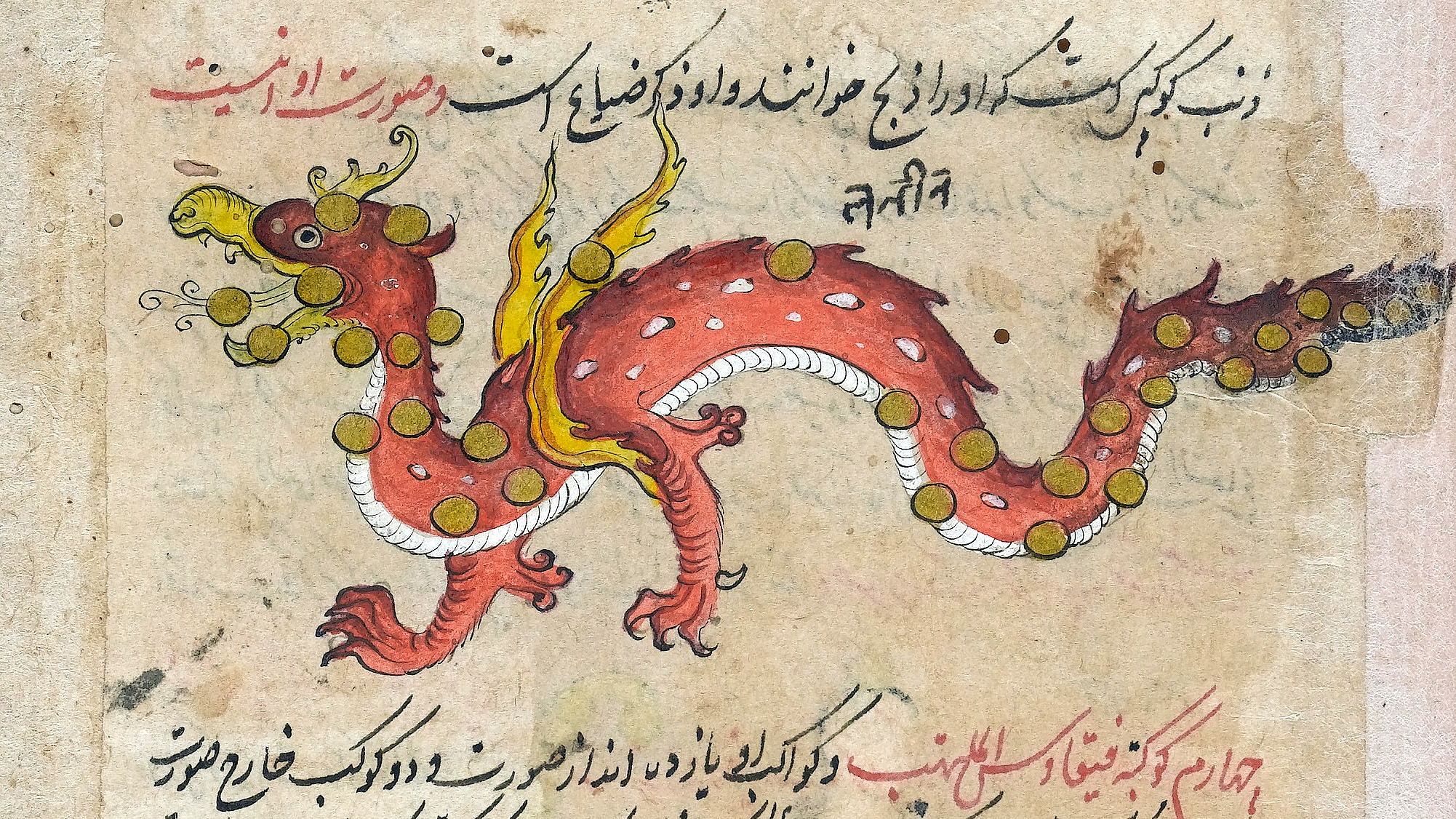
This chapter is organised in the following manner. Section one gives a brief overview about important periods in the history of Islamic Astronomy. This is done in order to highlight the significance of choosing to…

Sine, Cosine and the Measurement of the Earth
by Mahbub Ghani Published on: 2nd February 2007
Mathematics has long been an area of expertise amongst Muslim mathematicians. This article considers the contributions of Al-Tusi and Al-Battani and others in trigonometry, focusing upon the progress their discoveries represented in comparison with the…

An overview of Muslim Astronomers
by Salah Zaimeche Published on: 26th December 2001
Al-Battani discovered the notions of trigonometrical ratios used today. Al-Biruni claimed the earth rotated around its own axis. Jabir Ibn Aflah made the first portable celestial sphere to measure and explain the movements of celestial…

Did Ibn Sina Observe the Transit of Venus 1032 AD?
by R. C. Kapoor Published on: 22nd July 2026
The Persian polymath Abū ‘Alī Ibn Sīnā (980-1037 AD), known to early Western sources as Avicenna, records in one of his works, Compendium of the Almagest that ‘I say that I saw Venus as a…

Re-Evaluating the Development of the Islamic Sciences: The Case Against the Classical Narrative and the Myth of Decline
by Adam R Lucas Published on: 4th November 2026
Eurocentric myths about Western scientific and technological superiority persist in popular culture and some scholarly circles. A prevalent myth suggests that Islamic contributions to modern science were primarily the transmission of ancient Greek and Roman…

Ibn al-Zarqalluh’s discovery of the annual equation of the Moon
by S. Mohammad Mozaffari Published on: 9th February 2024
Ibn al-Zarqālluh (al-Andalus, d. 1100) introduced a new inequality in the longitudinal motion of the Moon into Ptolemy’s lunar model with the amplitude of 24′, which periodically changes in terms of a sine function with…

The Ottoman Mosque Fallacy: Places of Worship Facing the Kaaba or “Monuments of Jihad”?
by David A King Published on: 14th May 2021
A. J. Deus has got it all hopelessly wrong: A critique of A. J. Deus, “Monuments of Jihad – The thought process of determining qibla orientations by Turks”, and “Raw Analysis Turkish Mosque Orientations ‘Monuments…

The Orbital Elements of Venus in Medieval Islamic Astronomy: Interaction Between Traditions and the Accuracy of Observations
by S. Mohammad Mozaffari Published on: 23rd November 2020
The orbital elements of each planet are the eccentricity and the direction of the apsidal line of its orbit defined by the ecliptic longitude of either of its apses, i.e., the two points on its…

The renaissance of astronomy in Baghdad in the 9th and 10th centuries
by David A King Published on: 19th February 2015
[Note of the editor] This article was published in 2003 as: David A. King, "The renaissance of astronomy in Baghdad in the ninth and tenth centuries: A list of publications, mainly from the last 50…
Thabit ibn Qurra
by The Editorial Team Published on: 23rd February 2013
Abu al-Hasan Thabit ibn Qurra al-Harrani al-Sabi (born in Harran, now in southern Turkey, in 836 and died in Baghdad on 18 February 901) was a prolific scientist of the ninth century.

Professor Sevim Tekeli – a short autobiography
by Sevim Tekeli Published on: 24th August 2005
Sevim Tekeli is Emeritus Professor, History of Science Department at Ankara University, a student of Professor Aydin Sayili. This article is based on her answers in a brief interview conducted recently by Dr Salim Ayduz.

Trevor Hilder: A Story About Sustainable History
by Trevor Hilder Published on: 13th June 2011
After briefly describing his work background, Trevor Hilder tells the story of the young man who set out to seek his fortune.
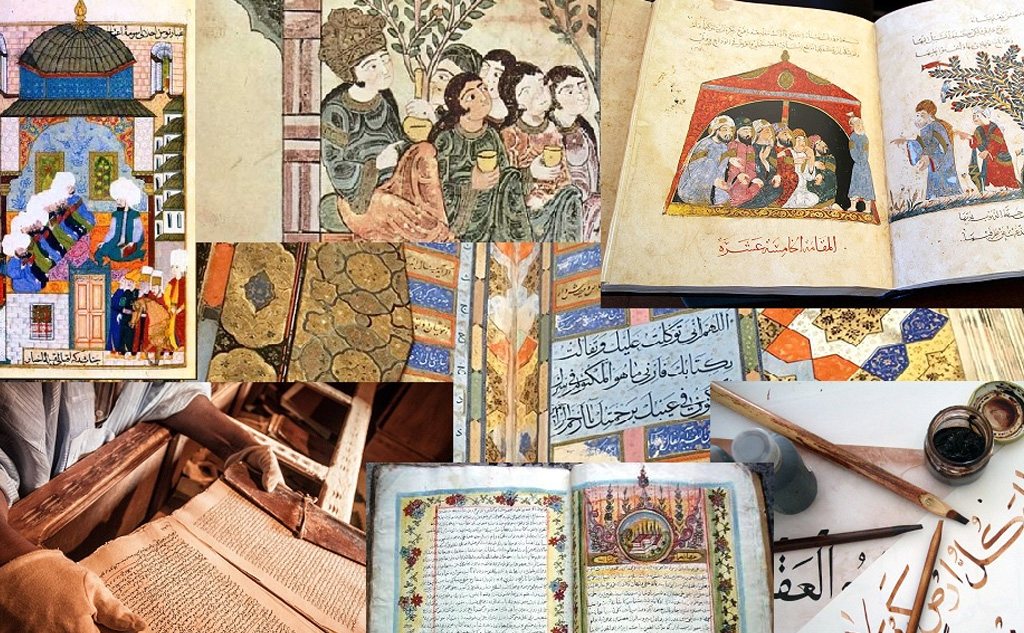
Literature Image Gallery
by Media Desk Published on: 17th November 2021
Browse through selected images taken from Muslim Heritage articles related to Literature...

Al-Urdi’s Article on ‘The Quality of Observation’
by Sevim Tekeli Published on: 31st January 2007
Astronomy has for a long time been of keen interest of Muslims throughout centuries. This article by Professor Sevim Tekeli highlights the quality and precision of observations made by al-Urdi.